
- All
- Product Name
- Product Keyword
- Product Model
- Product Summary
- Product Description
- Multi Field Search

Views: 0 Author: Site Editor Publish Time: 2025-11-24 Origin: Site


Sourcing high-quality steel efficiently is a critical factor for businesses in construction, fabrication, and heavy industry. Choosing the right bulk steel plate supplier can impact production timelines, cost control, and material performance. Understanding grades, dimensions, volume pricing, and supplier capabilities is essential to ensure reliable supply and competitive costs. Strategic sourcing is more than buying metal—it is a way to streamline operations, reduce risk, and secure long-term efficiency for your projects.
Bulk steel plate sourcing requires planning. It involves understanding the grades, dimensions, suppliers, and market conditions. For businesses in construction, machinery, or fabrication, mastering these steps is essential for cost savings and long-term supply reliability.
Bulk orders mean enough steel for a full truckload, often over 40,000 lbs. Some projects require specialized grades, like abrasion-resistant steel or quenched and tempered types. Others allow alternatives. Knowing these requirements upfront ensures accurate supplier quotes and avoids delays.
Common Steel Plate Types and Uses:
Structural steel: Construction beams, bridges, and industrial frameworks.
Abrasion-resistant steel: Heavy machinery, mining, and transport applications.
Quenched and tempered steel: High-strength engineering components.
Marine and offshore steel: Resistant to corrosion and saltwater exposure.
Pressure vessel quality (PVQ) steel: For high-pressure storage tanks.
Military/ballistic steel: Specialized applications requiring extreme hardness.
Grades differ in tensile strength, ductility, hardness, and chemical composition. Engineers often specify the exact grade for the project. Discussing flexibility on alternative grades can open up better pricing or availability options.
Buying steel in bulk offers multiple strategic advantages:
Cost Savings: Larger orders reduce unit prices because suppliers save on labor and equipment. Bulk discounts are standard, especially for truckload orders.
Freight Efficiency: Fewer shipments lower per-ton transport costs. Suppliers near delivery locations reduce freight expenses and transit time.
Inventory Management: Bulk orders stabilize inventory, preventing stockouts and production stoppages. Companies can plan production more confidently.
Supplier Relationships: Repeated large orders build trust. Suppliers often reward commitment with better pricing, priority service, and flexible terms.
Risk Mitigation: Locking in prices and securing large quantities reduces exposure to market volatility and sudden supply shortages.
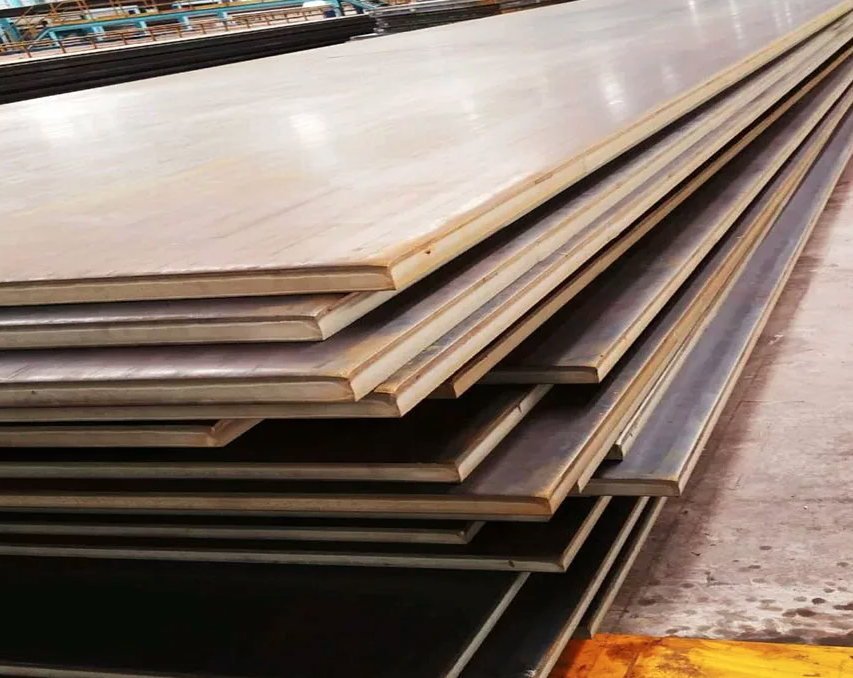
Knowing the exact steel grade, thickness, and dimensions is essential. Suppliers cannot provide accurate quotes without this information.
Grades: Decide if project allows alternatives. For abrasion-resistant steel, AR 500 or AR 450 might be acceptable.
Dimensions & Weight: Calculate total weight using formulas:
Understanding size and weight helps suppliers plan shipping, storage, and handling efficiently.
Choosing the right suppliers is a critical step in bulk steel plate sourcing. It directly affects material quality, overall cost, and delivery reliability. A strategic supplier can help secure competitive pricing, ensure consistent inventory, and provide technical support for specialized steel grades.
Factors to Consider:
Certifications and Standards: Check for ISO 9001, ASTM, and EN certifications. These ensure suppliers maintain quality systems and comply with international standards.
Business Longevity and Reputation: Long-established suppliers usually have stronger relationships with mills, better pricing, and proven reliability. Ask for customer references and past project examples.
Inventory Locations and Logistics: Suppliers with multiple warehouses close to your facilities can reduce freight costs and shorten lead times.
Performance Metrics: Track KPIs such as on-time delivery, response time to inquiries, and reorder rates. High metrics indicate operational efficiency and reliability.
Our company mainly operates with well-known domestic steel manufacturers including Wusteel, Ansteel, Xinsteel, Xiangsteel, Wuhansteel, Anshansteel, Tiansteel, Nansteel, XingCheng Steel, and many other high-quality producers.
We supply a wide range of steel products for bulk sourcing, including:
Low Alloy and High-Strength Steel Plate – ideal for heavy-duty structures and engineering applications.
Carbon Steel Plate – commonly used for general fabrication and construction.
Alloy Structure Steel Plate – designed for machinery, bridges, and high-stress projects.
Boiler and Pressure Vessel Steel Plate – certified for high-pressure applications.
Bridge Plate and Structure Steel Plate – suitable for civil engineering projects.
Ship-Building and Oil Platform Steel Plate – engineered for marine and offshore conditions.
Pipe Steel Plate – for pipelines, storage, and transportation systems.
High Strength and High Toughness Steel Plates – for critical applications requiring superior durability and impact resistance.
Working with suppliers like these ensures buyers gain access to high-quality steel grades, bulk volume pricing, and reliable delivery, all while maintaining compliance with international quality standards.
Steel pricing is influenced by several key factors. Understanding these can help buyers make informed decisions and maximize savings on bulk orders.
Grade of Steel: Mild carbon steel is generally the most cost-effective option. High-strength, alloy, or stainless steel carries a premium because of its enhanced durability, corrosion resistance, and specialized applications. Choosing the right grade for the project can balance cost and performance.
Dimensions and Thickness: Thicker plates or larger surface areas increase material consumption and production effort. Custom width, length, or thickness specifications also affect cost, especially for plates requiring tight tolerances.
Processing Requirements: Additional processes such as cut-to-size, beveled edges, surface polishing, or heat treatment will add costs. Planning these specifications ahead helps avoid unexpected price increases.
Order Volume: Bulk purchases allow buyers to leverage economies of scale. Ordering truckloads or multiple tons at once often reduces the per-ton price, lowers handling costs, and streamlines procurement logistics.
By combining careful grade selection, dimension planning, and order consolidation, buyers can achieve substantial savings without compromising quality.
Freight costs and logistics play a crucial role in sourcing bulk steel efficiently. Poor planning can lead to delays, higher expenses, and production disruptions.
Inventory Location: Suppliers with warehouses near your facility or project site can shorten lead times. Local inventory reduces handling, transportation complexity, and the risk of delays.
Shipping Costs: Confirm whether shipping is included in the quote. Some suppliers provide full truckload delivery as part of the package, while others may leave freight responsibility to the buyer. Clear understanding avoids hidden charges.
Truckload Advantages: Moving steel in full truckloads is typically more economical than multiple smaller shipments. Consolidation reduces per-ton shipping costs, ensures safer handling, and minimizes scheduling challenges.
Delivery Reliability: Suppliers experienced in bulk logistics can coordinate carriers, optimize routes, and provide tracking for large shipments, ensuring materials arrive on time and intact.
Strategically planning logistics ensures steel reaches your production line faster, at lower cost, and with minimal disruptions.
Developing trust and collaboration with suppliers is essential for long-term success in bulk steel sourcing.
Priority Service: Frequent and high-volume buyers often receive faster response times, early access to limited inventory, and priority scheduling for deliveries.
Flexible Payment Terms: Strong relationships may enable extended credit periods, installment payment options, or negotiated pricing adjustments for repeat orders.
Access to Scarce or Specialty Grades: Loyal customers may gain early access to in-demand or hard-to-find steel grades, reducing the risk of project delays.
Collaborative Problem-Solving: Open communication allows suppliers to advise on alternative grades, processing techniques, or logistics solutions, creating mutual benefit.
Investing in communication, consistency, and transparency fosters long-term partnerships that reduce risk, lower costs, and enhance operational efficiency.
| Step | Key Focus | Details | Benefits |
|---|---|---|---|
| 1 | Determine Material Requirements | Identify steel grade, thickness, dimensions; check if alternative grades are acceptable | Accurate quotes, efficient shipping & handling |
| 2 | Evaluate Potential Suppliers | Check certifications (ISO, ASTM, EN), business longevity, inventory location, KPIs; work with reputable suppliers like Wusteel, Ansteel, Xinsteel, Wuhansteel, Tiansteel, Nansteel, XingCheng | High-quality steel, bulk pricing, reliable delivery |
| 3 | Understand Volume Pricing | Consider steel grade, dimensions, processing, order volume | Cost savings, better planning, economies of scale |
| 4 | Optimize Logistics & Freight | Confirm inventory location, shipping costs, truckload advantages, delivery reliability | Faster delivery, lower freight cost, minimized disruptions |
| 5 | Build Strong Supplier Relationships | Priority service, flexible payment, access to scarce grades, collaborative problem-solving | Long-term partnership, reduced risk, operational efficiency |
Ensuring the quality of steel plates is a crucial step in bulk sourcing. Buyers should request Material Test Reports (MTRs) from suppliers to verify chemical composition, tensile strength, and other mechanical properties. Physical samples can be tested for dimensional accuracy, flatness, and weldability to confirm they meet project requirements. Additionally, scheduling on-site or virtual audits provides insight into the supplier’s production processes and quality control systems, helping avoid surprises and ensuring consistent material performance.
Maintaining compliance with international standards protects projects from legal or technical issues. Confirming ISO, ASTM, and EN certifications through third-party agencies validates the supplier’s adherence to recognized quality frameworks. Regular inspection reports can verify that bulk orders meet required standards, giving buyers confidence in both the integrity and reliability of the steel products they receive.
Sustainability is increasingly a priority in bulk steel procurement. Tracking energy consumption and emissions during steel production helps assess the environmental impact of materials. Partnering with suppliers who follow strict environmental regulations ensures that sourcing aligns with corporate sustainability goals. Responsible sourcing not only reduces the carbon footprint but also strengthens brand reputation and demonstrates a commitment to environmentally conscious practices.
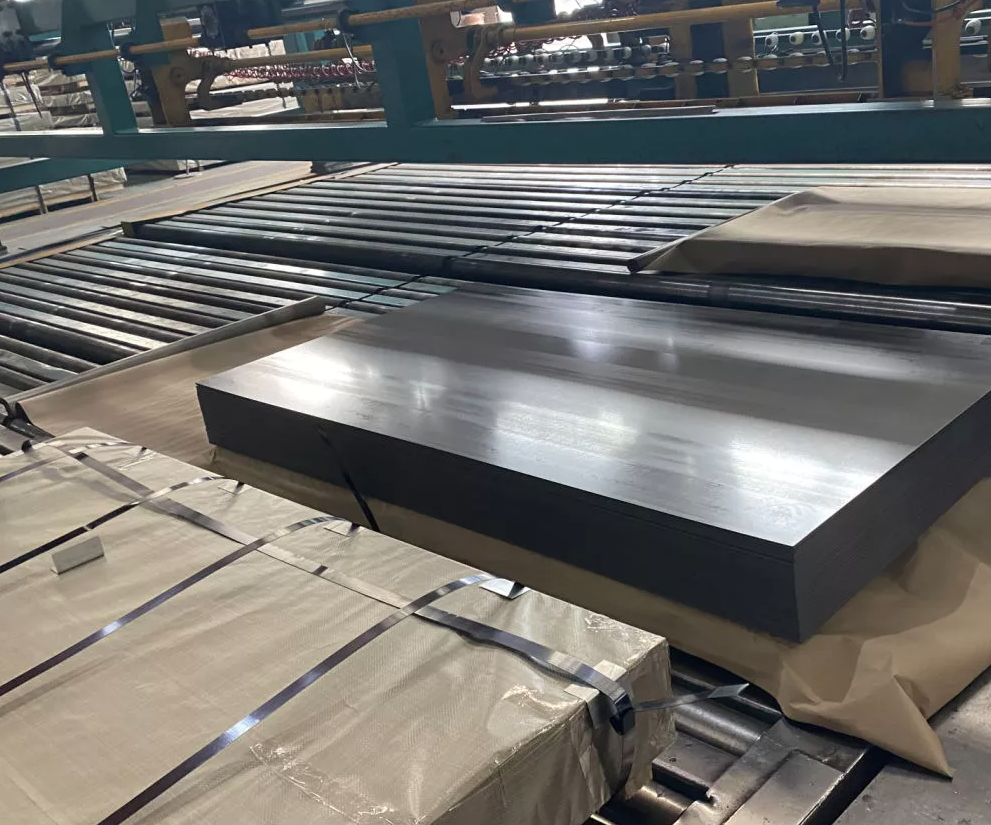
Steel prices fluctuate due to global demand, material shortages, and market instability. Buyers can mitigate these risks by locking in prices through bulk contracts, securing predictable costs over time. Monitoring market trends and price forecasts allows companies to plan purchases strategically, ensuring that they take advantage of lower market rates whenever possible and avoid sudden cost spikes.
Supply interruptions, whether due to geopolitical events, natural disasters, or production delays, can impact project timelines. Diversifying suppliers reduces reliance on a single source and spreads risk. Maintaining a buffer stock of critical steel plates provides a safety net that helps production continue uninterrupted, even when unexpected supply chain issues occur.
Transportation challenges can significantly affect delivery times and costs. Port congestion, carrier shortages, or route disruptions may delay shipments of bulk steel plates. Effective planning includes identifying alternative shipping methods and delivery options to maintain supply chain reliability. Working closely with suppliers who have strong logistics networks can ensure smoother and faster transport, reducing potential downtime for critical projects.
You should consult your engineers to define the required tensile strength, hardness, ductility, and chemical composition, and consider if alternative grades like AR 450 or AR 500 are acceptable for flexibility and cost savings.
Volume pricing allows buyers to leverage economies of scale, reducing the per-unit cost of steel plates, minimizing handling expenses, and achieving better overall procurement efficiency.
Request Material Test Reports (MTRs), test physical samples, and consider scheduling on-site or virtual audits to confirm dimensional accuracy, flatness, weldability, and compliance with international standards.
Suppliers with warehouses close to your facility reduce freight costs, shorten lead times, and improve overall delivery reliability, making them more efficient for bulk orders.
Locking in bulk contracts and monitoring market trends can help stabilize costs, allowing you to avoid sudden spikes due to global demand, material shortages, or tariffs.
Strategic sourcing for bulk steel plate not only ensures cost savings and supply reliability but also enhances product quality and operational efficiency. Partnering with experienced suppliers who provide certified steel, competitive volume pricing, and efficient logistics is key to successful procurement. For businesses seeking a trusted partner for high-quality steel plate, Guangzhou Long Sheng Hing Trading Co., Ltd. offers a comprehensive range of products, including structural, high-strength, and specialized steel plates, ensuring dependable supply and consistent standards for all your industrial needs.


