
- All
- Product Name
- Product Keyword
- Product Model
- Product Summary
- Product Description
- Multi Field Search

Views: 0 Author: Site Editor Publish Time: 2025-11-28 Origin: Site


Sourcing structural steel plate in large quantities is more complex than simply ordering a standard material. It requires careful planning, precise specifications, and a reliable supplier to ensure your project succeeds. Structural steel plates are used in a variety of industries, including construction, infrastructure, industrial machinery, and shipbuilding. Using the right steel ensures the safety, durability, and efficiency of your project while also optimizing costs.
Large orders magnify challenges: inconsistencies, delivery delays, or incorrect specifications can cause major setbacks. Understanding the factors involved—from material properties to logistics—helps teams make informed decisions and avoid costly mistakes.
Structural steel plate is specifically designed for strength, durability, and versatility. It is primarily made of iron and carbon, but small amounts of other elements like manganese, silicon, or nickel can significantly alter its properties. These additions improve hardness, ductility, corrosion resistance, and load-bearing capacity.
Structural steel plates are versatile and widely used across projects:
High-rise buildings: Plates form beams, columns, and floor decks, helping structures resist heavy loads and seismic events.
Bridges: Steel plates create strong decking and reinforcement components that endure dynamic forces and traffic loads.
Industrial facilities: They support machinery platforms, storage systems, and factory frameworks.
Shipbuilding: Plates are used in hulls, decks, and bulkheads for corrosion resistance and impact strength.
Heavy machinery: Components, frames, and supports rely on steel plates for wear resistance and precision.
Steel plates’ adaptability allows engineers to design efficiently and construct safely while accommodating complex architectural or structural requirements.
Different types and grades serve different purposes. Selecting the correct one affects strength, cost, and durability.
| Type | Description | Common Applications |
|---|---|---|
| Low Carbon / Mild Steel | 0.04–0.3% carbon. Easy to shape, weld, and form. | Buildings, machinery, structural frames |
| Alloy Steel | Contains elements like chromium, nickel for higher strength and wear resistance | Bridges, pressure vessels, industrial components |
| Stainless Steel | High corrosion resistance from chromium content | Coastal or marine structures, chemical facilities |
| Tool Steel | Extremely hard and wear-resistant | Cutting tools, dies, heavy machinery parts |
Understanding the differences in grades and types is essential when sourcing in bulk. The wrong choice can lead to premature wear, structural issues, or costly modifications.
Before placing a bulk order, clearly define your requirements. Every project has unique structural and environmental demands.
Key aspects to evaluate:
Load-bearing capacity: Assess dead loads, live loads, and dynamic forces. Knowing these numbers ensures plates handle stress without bending, warping, or failing.
Thickness and dimensions: Plate thickness affects strength, welding options, and overall structural performance. Overly thin plates may deform; too thick plates increase costs unnecessarily.
Environmental conditions: Outdoor projects, coastal areas, or chemical plants require corrosion-resistant or stainless steel grades. Environmental factors directly affect lifespan.
Mechanical properties: Yield strength, tensile strength, hardness, and ductility define a plate’s performance. Ensuring the steel meets these values prevents safety risks.
Defining requirements early saves time, reduces waste, and avoids delays caused by ordering the wrong materials.
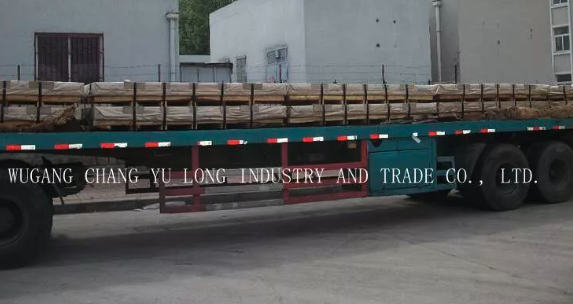
Choosing a reliable supplier is critical when sourcing large quantities. Bulk orders magnify risks if the supplier fails to meet quality or delivery expectations.
Checklist for suppliers:
Certifications: Ensure compliance with ASTM, ISO, or local standards. Certifications guarantee steel is tested and meets mechanical property benchmarks.
Track record: Research reviews, case studies, and testimonials. Suppliers with proven experience handling large orders are safer.
Quality control: Check if the supplier inspects each batch and provides material test reports. Random sampling is not enough for critical projects.
Communication: Responsive suppliers can answer technical questions, address issues quickly, and keep your project on schedule.
Working with suppliers who understand your project needs, such as Guangzhou Long Sheng Hing Trading Co., Ltd., reduces risk and ensures consistent quality for every shipment.
Price is an important factor, but it should not outweigh quality. Choosing cheap steel may save upfront costs but often increases long-term expenses due to replacements, repairs, or maintenance. Balancing cost and performance is key when sourcing structural steel plates in large quantities.
Key considerations:
Material cost: Steel grades, thickness, and total quantity directly affect overall cost. Higher-grade steel offers superior strength, corrosion resistance, and longevity, justifying the investment.
Fabrication cost: Cutting, welding, drilling, or coating adds extra expenses. Custom plate sizes or specialized treatments can further raise costs, so planning early is essential.
Installation cost: Prefabricated steel plates can speed up assembly, reduce labor, and minimize errors. On-site handling of large or heavy plates may require cranes or additional safety measures.
Total cost of ownership: Beyond initial expenses, consider maintenance, inspections, and potential replacements. Investing in durable steel reduces costs over decades and enhances structural reliability.
Steel plates are heavy and bulky. Safe handling, timely delivery, and proper storage are crucial to avoid delays, damage, or increased costs.
Considerations:
Lead times and supplier reliability: Ensuring your supplier can meet project schedules prevents costly downtime or construction delays.
Transportation costs: Distance, vehicle type, and weight all impact shipping fees. Consolidated shipments may reduce costs for large orders.
On-site storage: Plates exposed to moisture, direct sunlight, or improper stacking can warp, rust, or scratch. Use covered storage areas or protective coatings when storing for extended periods.
| Factor | Importance |
|---|---|
| Lead Time | Delays directly affect project schedules |
| Shipping Costs | Influences overall project budget and cost-efficiency |
| Supplier Location | Local suppliers reduce transportation risks and delivery time |
| Storage | Prevents deformation, corrosion, and surface damage |
Efficient logistics management ensures structural steel plates arrive on time, in optimal condition, and ready for immediate use, supporting smooth construction workflow and avoiding project interruptions.
When sourcing steel plate in large quantities, customization and precise fabrication can make a big difference in project efficiency and quality. Off-the-shelf plates may not always fit specific construction or manufacturing needs, so working with a supplier who offers tailored solutions is crucial.
Cutting and drilling: Advanced CNC, laser, or plasma cutting techniques provide high precision for steel plates, ensuring accurate dimensions for beams, columns, or structural components. This reduces on-site adjustments and material waste.
Prefabrication: Modular or prefabricated steel plates simplify assembly on-site, speed construction, and minimize errors. Prefabrication is especially useful for large-scale projects where consistent dimensions are critical.
Welding and assembly: Off-site welding of steel plates ensures uniform quality, lowers labor costs, and enhances safety. Controlled fabrication environments allow for better inspection and fewer defects compared to on-site welding.
Design flexibility: Structural steel plates can be shaped to accommodate arches, cantilevers, curved elements, or complex geometries, providing architects and engineers with freedom for creative, functional designs.
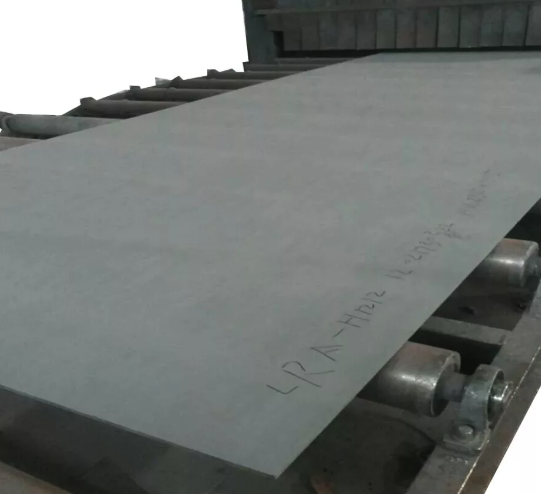
Sustainability is increasingly critical in construction. Choosing eco-friendly steel plate products helps projects comply with green building standards and reduces environmental impact.
Considerations:
Recyclability: Steel is 100% recyclable. Plates from demolished structures can be melted down and reused, reducing the demand for virgin raw materials and cutting overall carbon footprint.
Energy efficiency: Lighter or optimized steel plates reduce fuel consumption during transportation and installation. Less energy-intensive handling supports more sustainable project execution.
Certifications: Look for steel plates certified under LEED, ISO 14001, or other recognized environmental standards. These certifications demonstrate responsible sourcing, sustainable manufacturing, and compliance with global green building criteria.
Durability: High-quality steel plates resist corrosion, wear, and structural degradation. Longer-lasting materials minimize maintenance, replacements, and waste over time, contributing to sustainable project management.
Selecting sustainable steel plate products ensures projects are environmentally responsible, cost-effective over the long term, and aligned with modern construction practices. This approach also enhances the reputation of both contractors and clients as sustainability-conscious professionals.
A: Consider load-bearing needs, environmental conditions, corrosion resistance, and mechanical properties like yield strength, tensile strength, and ductility to select a grade that meets both safety and performance requirements.
A: Clear specifications for thickness, dimensions, and mechanical properties ensure the steel plates match project requirements, reduce material waste, and prevent costly delays caused by receiving the wrong plates.
A: Prefabrication allows modular assembly, speeds up construction, reduces on-site errors, and ensures consistent quality, especially for complex designs or high-volume projects.
A: Cost is influenced by material grade, quantity, fabrication complexity, installation requirements, and long-term maintenance, making it important to balance upfront price with lifecycle value.
A: Store plates in covered areas, avoid direct sunlight or moisture, and use proper stacking methods to prevent warping, corrosion, or surface damage.
Sourcing Steel Plate in large quantities requires careful planning, precise specifications, and a reliable partner. Selecting the right grade, ensuring consistent quality, and managing logistics effectively are critical to project success. By working with trusted suppliers like Guangzhou Long Sheng Hing Trading Co., Ltd., you can secure high-quality steel plates, reduce risks, and ensure timely delivery for every order.
Choosing the right Steel Plate not only supports structural integrity and durability but also improves construction efficiency and long-term cost-effectiveness. Partnering with an experienced supplier ensures your project benefits from expert guidance, reliable service, and steel products that meet international standards.
With proper planning, clear specifications, and a trusted partner, your bulk steel plate sourcing becomes a smooth, cost-efficient process that supports safe and durable construction outcomes.


