
- All
- Product Name
- Product Keyword
- Product Model
- Product Summary
- Product Description
- Multi Field Search

Views: 0 Author: Site Editor Publish Time: 2025-12-03 Origin: Site


Steel plates are the backbone of modern construction, industrial projects, and infrastructure development. They are used in everything from bridges and skyscrapers to heavy machinery and shipbuilding. Procuring them globally comes with unique challenges. Lead times fluctuate due to production capacity, raw material availability, and shipping constraints. Logistics involve multiple steps, including warehousing, transport, and customs clearance. Understanding these factors helps companies plan better, reduce risks, and stay competitive in a fast-changing market.
Steel plate procurement means sourcing high-quality steel products from suppliers worldwide to meet specific project needs. It is not just buying metal; it involves strategic planning, contract management, and relationship building.
Key aspects include:
Supplier Selection: Choose suppliers based on reliability, quality, and capacity to meet deadlines.
Contract Negotiation: Establish clear terms on pricing, delivery schedules, and quality standards.
Delivery Planning: Coordinate shipments to minimize delays and keep projects on schedule.
Global procurement differs from local sourcing. Orders may take weeks or months to arrive, and external factors such as tariffs, shipping congestion, and raw material scarcity influence timelines and costs.
Lead time is the period between placing an order and receiving steel. It reflects how efficiently the supply chain operates and serves as a key signal of market demand. When lead times are long, it usually indicates that mills are operating at full capacity or that there are disruptions in production or transportation. Short lead times, on the other hand, suggest that supply is stable, production schedules are manageable, and the market is balanced.
Understanding lead times is more than tracking days—it helps companies make informed decisions, prioritize orders, and plan projects effectively. Delays in steel delivery can halt construction, fabrication, or manufacturing, potentially leading to missed deadlines and contractual penalties.
Impacts of lead times include:
Project Timelines: Delays in steel delivery can stall construction, industrial fabrication, or manufacturing operations, causing ripple effects throughout the project schedule.
Inventory Management: Longer lead times require holding larger inventories to avoid shortages, tying up capital and warehouse space, while shorter lead times allow for leaner inventory strategies.
Cost Control: Extended lead times can increase prices as suppliers prioritize urgent orders or adjust for scarcity. Shorter lead times help maintain predictable costs and reduce emergency procurement expenses.
Resource Allocation: Understanding lead times enables teams to plan labor, equipment, and storage more efficiently.
By consistently monitoring lead times, procurement teams can anticipate supply chain risks, adjust budgets, and make proactive decisions. It also reduces the need for last-minute purchases, which are often costly and can disrupt production flow. Leveraging data, historical trends, and supplier communication makes lead time management a powerful tool for maintaining operational efficiency in global steel plate procurement.
Steel lead times vary based on several factors:
Mill Production Schedules: Overloaded mills can extend delivery timelines.
Raw Material Shortages: Fluctuations in iron ore, coal, or alloy availability affect production speed.
Seasonal Demand Peaks: Construction cycles, government projects, and market booms increase pressure on supply.
Example Table: Lead Time vs Market Condition
| Lead Time (Weeks) | Market Condition | Price Trend |
|---|---|---|
| 2-4 | Steady demand | Low |
| 5-8 | Rising demand | Moderate |
| 9+ | Supply shortage | High |
Understanding these trends allows buyers to forecast costs and adjust procurement plans proactively.
Moving steel plates internationally involves multiple logistical hurdles.
Key challenges include:
Port Congestion: Delays at ports can extend shipping times by weeks.
Customs and Tariffs: Regulatory procedures can block shipments if paperwork is incomplete.
Transportation Disruptions: Rail strikes, truck shortages, or adverse weather can delay deliveries.
Successful logistics planning requires coordination between suppliers, shipping companies, and end-users. Using real-time tracking systems can help anticipate delays and reroute shipments efficiently.
Steel trade is subject to numerous regulations. Companies must ensure suppliers meet both local and international compliance requirements:
Import/Export Rules: Customs clearance, tariffs, and trade restrictions affect delivery times.
Environmental Standards: Regulations may restrict production methods or require sustainable practices.
Documentation Compliance: Certificates of origin, quality certifications, and safety reports are often required.
Failure to comply can lead to fines, shipment delays, or supply chain disruptions.
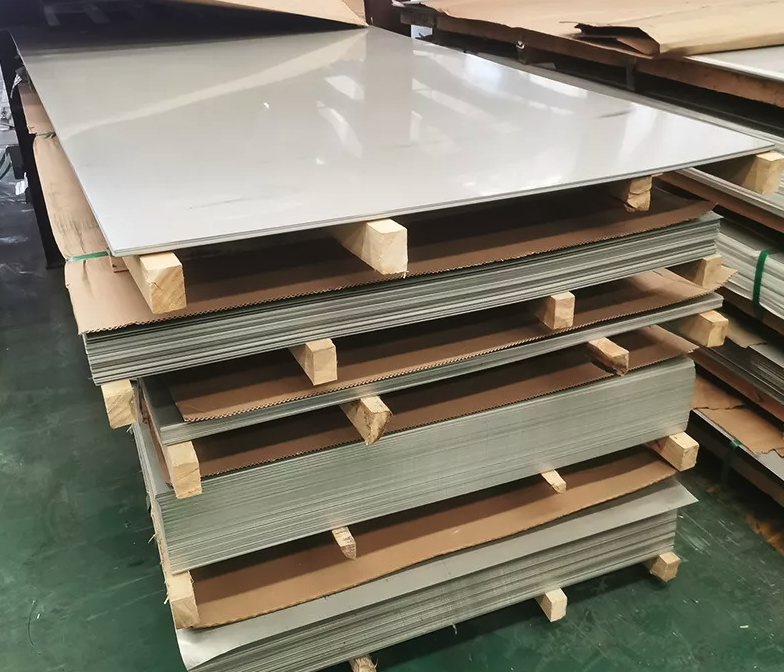
Monitoring and predicting lead times is essential for effective steel plate procurement. Procurement teams can use weekly market reports and mill updates to understand current supply conditions and production schedules. Predictive analytics can identify trends before shortages occur, helping companies anticipate potential delays or price fluctuations. Placing orders for long-lead items in advance ensures projects stay on track, even during periods of high demand. By tracking lead time trends consistently, teams can act proactively, plan inventory more efficiently, and avoid costly last-minute purchases that disrupt operations.
Maintaining open communication and strong collaboration with suppliers is critical for managing lead times effectively. Procurement teams should clarify delivery expectations and timelines upfront to ensure everyone is aligned. Scheduling regular performance reviews allows companies to monitor supplier reliability, address any issues early, and provide feedback for continuous improvement. Sharing project forecasts, anticipated demand, and production schedules with suppliers helps them plan resources better, reducing the likelihood of delays. Over time, clear communication and collaboration build trust, strengthen relationships, and create a more predictable and efficient procurement process.
| Practice | Key Actions | Benefits |
|---|---|---|
| Monitoring and Predicting Lead Times | - Use weekly market reports and mill updates - Apply predictive analytics to spot trends - Place orders for long-lead items early | - Proactive planning - Efficient inventory management - Avoid last-minute cost spikes |
| Communication and Collaboration | - Clarify delivery expectations upfront - Schedule regular supplier performance reviews - Share project forecasts and production schedules | - Improved supplier reliability - Reduced delays - Stronger, more predictable relationships |
Transportation management is a critical aspect of global steel plate procurement. Companies need to optimize shipping based on factors such as speed, cost, and reliability. Sea freight is often the most economical option for bulk shipments, but it tends to have slower delivery times. Air freight provides the fastest delivery, making it suitable for urgent orders, but it comes at a higher cost. Rail transport offers a reliable middle ground for regional deliveries with moderate expense. Planning transportation routes carefully, consolidating shipments, and coordinating with carriers can significantly reduce delays and costs. Effective transportation management ensures that steel plates arrive on time, supporting smooth project execution and reducing the risk of production interruptions.
Efficient inventory management is essential for maintaining a balance between supply availability and operational costs. Companies can adopt a just-in-time (JIT) approach to minimize holding costs, but this requires reliable suppliers and accurate demand forecasting. Alternatively, maintaining safety stock provides a buffer against unexpected delays, sudden surges in demand, or production interruptions. Leveraging real-time inventory tracking systems allows procurement teams to adjust orders dynamically, make better decisions on replenishment, and avoid stockouts or excess inventory. By combining these strategies, businesses can maintain operational efficiency while mitigating the risks associated with lead time fluctuations.
Technology and automation play an increasingly important role in optimizing steel procurement logistics. Supply chain management platforms allow companies to track shipments and monitor delivery status in real-time, reducing uncertainty and enabling proactive decision-making. Automation can streamline repetitive tasks such as processing purchase orders, managing invoices, and updating inventory records, minimizing human errors. Advanced analytics and forecasting tools help anticipate demand, predict lead times, and plan procurement schedules more accurately. Implementing technology solutions not only increases operational efficiency but also enhances consistency, reduces costs, and allows teams to respond faster to market changes or disruptions.
Contingency planning is essential for navigating uncertainties in global steel plate procurement. Companies should maintain a network of backup suppliers to avoid disruption if a primary supplier faces production issues or logistical delays. Keeping emergency inventory for critical projects provides a safety net, ensuring that urgent demands can be met without halting operations. Scenario planning for transport or production delays allows procurement teams to anticipate potential bottlenecks and prepare alternative solutions in advance. By proactively preparing for different disruption scenarios, companies can maintain operational continuity and minimize the financial and schedule impacts of unexpected events.
Consistent steel quality is crucial for ensuring project success and maintaining safety standards. Procurement teams should set clear specifications for steel grades, dimensions, and tolerances in every contract. Regular audits and inspections of supplier facilities help verify that products meet these standards and comply with agreed-upon requirements. Working with certified suppliers who hold ISO, ASTM, or other relevant certifications further strengthens quality assurance and reduces the risk of receiving substandard materials. By implementing robust quality control measures, companies can maintain reliability, enhance customer confidence, and reduce costly rework or material rejection.
Sustainable and compliant procurement is becoming increasingly important in the steel industry. Partnering with eco-friendly producers helps minimize environmental impact and supports corporate social responsibility objectives. Aligning procurement practices with regulatory standards ensures compliance with international and local laws, avoiding fines, shipment delays, or reputational damage. Companies can also reduce risks by prioritizing suppliers who use recycled materials or energy-efficient production methods. By integrating sustainability into the procurement strategy, businesses future-proof operations against tightening environmental regulations while also contributing to long-term industry sustainability goals.
A: Lead times fluctuate due to mill production capacity, raw material availability, shipping delays, and seasonal demand peaks.
A: Companies can monitor market reports, use predictive analytics, maintain safety stock, and place orders for long-lead items in advance.
A: Efficient logistics, including transportation planning and inventory management, ensures timely delivery, reduces costs, and avoids project delays.
A: Sea freight is cost-effective for bulk shipments, air freight is fastest but expensive, and rail transport is reliable for regional deliveries.
A: Sustainable sourcing minimizes environmental impact, ensures regulatory compliance, and future-proofs operations against evolving regulations.
Navigating the complexities of global steel plate procurement requires a clear understanding of lead times, logistics, and supplier management. Companies that monitor market trends, optimize transportation, and maintain strong supplier relationships can reduce risks, control costs, and ensure projects stay on schedule. Leveraging technology, predictive analytics, and contingency planning further strengthens supply chain resilience.
For businesses seeking a reliable partner in sourcing high-quality steel plate, Guangzhou Long Sheng Hing Trading Co., Ltd. offers a comprehensive range of products, global supplier connections, and professional procurement support. Partnering with a trusted supplier helps companies secure steel efficiently, maintain consistent quality, and stay competitive in a rapidly evolving market.


