
- All
- Product Name
- Product Keyword
- Product Model
- Product Summary
- Product Description
- Multi Field Search

Views: 0 Author: Site Editor Publish Time: 2025-12-01 Origin: Site


Steel plate plays a central role in modern construction, heavy equipment manufacturing, shipbuilding, and countless industrial applications. Because it is costly, heavy, and sensitive to storage conditions, companies are constantly looking for better ways to balance supply and demand. This is where Just-In-Time (JIT) Steel Plate inventory management becomes valuable. By receiving materials only when they are needed, businesses reduce financial pressure, avoid unnecessary stock buildup, and keep production moving smoothly. As supply chains grow more complex and customer expectations rise, learning how to apply JIT effectively has become a key advantage for steel processors, fabricators, and distributors.
Steel plate is essential for many industries: fabrication, construction, mining, heavy machinery, energy equipment, and shipbuilding. It’s expensive, bulky, and sensitive to corrosion. Because of this, many companies want a leaner approach to storing and handling it. That’s where Just-In-Time (JIT) steel plate inventory comes in.
JIT means companies hold only the amount of steel plate they plan to use soon. It reduces storage cost, frees cash, and prevents waste. The method depends heavily on accurate forecasts, reliable suppliers, and real-time inventory tracking.
Steel plate has unique challenges:
Many grades and thicknesses
Heavy weight → higher handling risk
Certification and traceability needs
Long supplier lead times
High carrying costs
So a JIT system helps companies manage steel plate like a living, moving asset instead of static stock.
Using JIT fundamentally reshapes cost control, workflow efficiency, and customer service in steel-related industries. By receiving materials only when they are required for production, companies gain tighter control over daily operations and prevent excessive steel from occupying valuable storage space.
Warehousing steel plates requires considerable resources, including dedicated floor space, forklift operation, corrosion-protected storage areas, and higher insurance coverage. By reducing the amount of steel kept on-hand, JIT significantly cuts the costs associated with long-term storage and material handling. Companies not only save on operational expenses but also reduce the financial risk tied to holding high-value metal inventory that may not be used immediately.
Production delays often occur when steel inventory records are inaccurate or when teams spend excessive time locating materials on the shop floor. With JIT, materials arrive in sync with production needs, allowing operators to move directly into cutting, welding, or fabrication without unnecessary searching or staging. This streamlined flow shortens changeover times, improves scheduling accuracy, and keeps manufacturing lines operating at a steady, predictable pace.
Excess steel left in storage for long periods is more prone to rust, surface contamination, and even becoming unsuitable for newer project specifications. JIT minimizes the time materials remain idle, which greatly reduces the likelihood of corrosion or obsolescence. As a result, companies generate less scrap, preserve material value, and maintain higher quality standards across all stages of production.
Traceability is critical in industries requiring strict material certifications, such as construction, pressure vessels, and heavy machinery. JIT ensures that batch numbers, MTCs, and compliance documents remain closely linked to specific orders or projects. By receiving steel plate shipments in smaller, more controlled intervals, manufacturers maintain clearer documentation trails and reduce the risk of mixing grades or misplacing essential records.
Customers expect the correct steel grade, accurate thickness, and punctual delivery for every project. JIT helps suppliers and fabricators consistently meet these expectations because materials are planned and delivered in alignment with actual project timelines. This reliability strengthens customer trust, supports repeat business, and improves overall service performance in competitive markets.
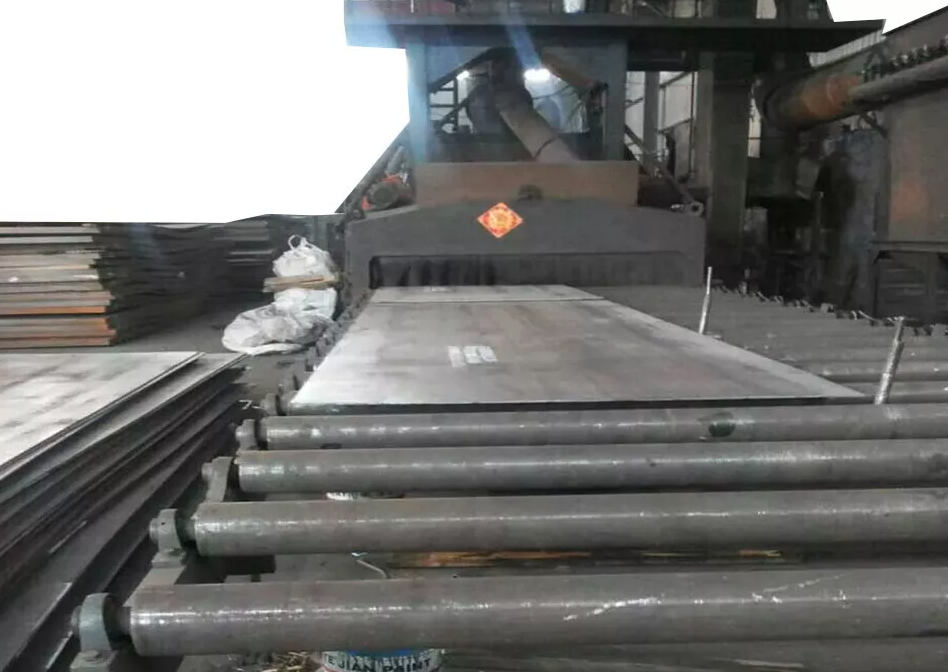
JIT works well, but not automatically. Steel plate supply chains are sensitive.
| Risk | Why It Happens | Typical Impact |
|---|---|---|
| Supplier delays | Long lead time, transport issues | Downtime, missed deadlines |
| Forecast errors | Poor data or sudden project changes | Stockouts |
| Market instability | Steel price swings | Higher purchase cost |
| Over-dependence on one vendor | Limited sourcing options | No backup during disruptions |
A JIT system collapses when:
demand surges unexpectedly
logistics slow down
suppliers miss deadlines
Companies must prepare for such situations.
Building a JIT system requires thoughtful planning and coordination. The steps below reflect what many top steel manufacturers follow when shifting toward leaner, demand-driven operations.
A JIT program starts with a clear understanding of how materials currently move through your facility. This assessment looks at actual demand patterns, the frequency and causes of past stockouts, available storage capacity, supplier reliability, and the real lead times you experience for different plate grades and thicknesses. By analyzing these areas, companies identify gaps that slow production, create excess storage costs, or cause inconsistent material access. This evaluation forms the foundation for building a JIT approach tailored to your operational needs.
Accurate forecasting supports every JIT decision because it determines when steel plates should arrive and in what quantities. Teams rely on data such as recent steel usage, seasonal demand shifts, construction and industrial cycles, customer order history, and confirmed upcoming contracts. When forecasting incorporates these inputs, predictions become more reliable and production plans stabilize. As accuracy increases, last-minute rush orders decline, inventory becomes leaner, and material waste drops sharply because steel does not sit unused for long periods.
JIT only performs well when suppliers consistently deliver the right material on time. Companies benefit from negotiating shorter lead times and building agreements that guarantee emergency supply support when unexpected demand changes occur. It also helps to establish clear quality standards so suppliers know exactly what documentation and MTC requirements your team expects on every shipment. When suppliers provide real-time production updates, manufacturers gain better visibility into material readiness and can coordinate their schedules with fewer disruptions.
Modern JIT systems rely heavily on digital tools to keep inventory precise and transparent. ERP platforms, mobile barcode scanners, and RFID technology help teams track each steel plate by heat number, grade, size, weight, supplier, MTC, and intended project usage. Digital tracking gives instant updates as materials move across receiving, storage, cutting, and fabrication. This reduces errors, prevents the misplacement of high-value steel, and ensures the right plate reaches the right workstation exactly when needed.
A well-organized warehouse accelerates JIT flow by making materials easier to access and store. Many steel facilities use vertical racks to handle plates more safely, color-coded zones to separate grades and thicknesses, and wider aisles to allow forklifts to maneuver efficiently. Areas with humidity control or anti-corrosion measures protect valuable stock that rotates quickly. A FIFO layout ensures older plates move out first, which supports quality consistency and prevents deterioration from extended storage.
Manufacturers often stock more steel plate variations than they truly need, which complicates JIT planning. Reducing low-demand grades, standardizing the most common plate dimensions, and adopting modular plate specifications that serve multiple projects help shrink the number of SKUs in circulation. With fewer variations to manage, inventory moves faster, forecasting becomes easier, and storage challenges decrease. This simplification supports the lean principles that JIT systems rely on to maintain stable, predictable material flow.
To ensure the system works, companies monitor key metrics.
| KPI | Why It Matters |
|---|---|
| Inventory turnover rate | Higher turnover = healthier flow |
| Fill-rate | Measures customer satisfaction |
| Stockout frequency | Tracks efficiency of planning |
| Scrap percentage | Shows waste and handling care |
| Lead time accuracy | Confirms supplier performance |
ERP systems
RFID/barcode scanners
Digital dashboards
Automated purchase triggers
Demand-planning software
These tools help teams move quickly and avoid errors.
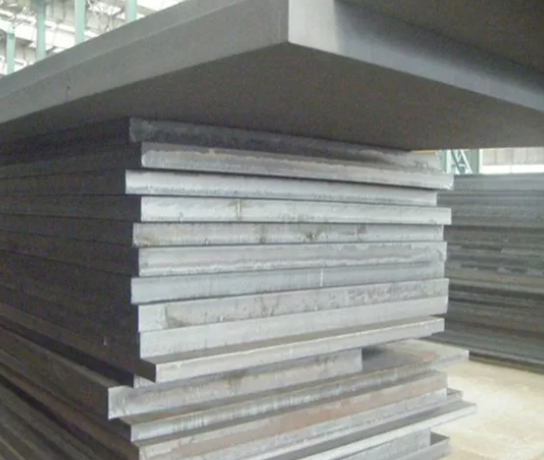
Artificial intelligence is set to transform JIT steel plate planning by analyzing project timelines, customer behavior, and market conditions. AI tools can forecast needs weeks or even months in advance, allowing manufacturers to plan steel plate orders with far greater accuracy and confidence.
IoT sensors are becoming more common in steel warehouses, offering real-time updates on plate movement, storage temperature, and humidity exposure. These sensors help prevent rust, ensure compliance with storage standards, and provide instant visibility into where each plate is located.
Autonomous forklifts and guided vehicles will increasingly move steel plates safely and efficiently through warehouses. These systems reduce human error, improve handling speeds, and free operators to focus on higher-value tasks. Automation supports the fast, predictable movement of materials that JIT requires.
Cloud-based platforms allow suppliers, carriers, and manufacturers to share real-time data on production schedules, shipping status, and inventory levels. This transparency shortens lead times and helps companies react quickly when demand shifts. Cloud systems also make it easier to manage multiple suppliers in a unified environment.
JIT steel plate inventory is a lean system where companies order and receive steel only when it’s needed for production, reducing storage costs and minimizing waste.
Steel plate is heavy, costly, and prone to corrosion, so keeping less of it in storage reduces risk, handling difficulty, and excess carrying costs.
No. JIT still requires a small, well-planned safety buffer to protect against shipping delays or sudden demand spikes.
It speeds up operations by ensuring materials arrive on schedule, reducing search time, and keeping fabrication lines running smoothly.
Yes. With less material sitting in storage, the risk of rust, aging, and specification mismatch drops significantly.
Managing Steel Plate inventory with a Just-In-Time strategy helps companies lower costs, improve workflow, and deliver more consistent results for their customers. With better forecasting, stronger supplier partnerships, and smarter digital tools, manufacturers can turn steel plate from a slow-moving expense into a responsive, efficient part of their operation. As the industry continues to evolve toward automation and real-time data, businesses that adopt JIT early will gain a long-term competitive edge.
If you’re seeking reliable steel plate supply, professional sourcing support, or stable long-term cooperation, Guangzhou Long Sheng Hing Trading Co., Ltd. is ready to assist with high-quality products and dependable service.


