
- All
- Product Name
- Product Keyword
- Product Model
- Product Summary
- Product Description
- Multi Field Search

Views: 0 Author: Site Editor Publish Time: 2025-11-24 Origin: Site


In today’s competitive industries, efficient procurement of steel plate is crucial for cost management and operational success. Companies that manage high-volume steel plate purchases effectively can reduce expenses, prevent production delays, and maintain smooth project execution. From bulk buying strategies to advanced inventory management and supplier coordination, mastering steel plate procurement helps businesses stay agile, responsive, and profitable in a rapidly changing market.
High-volume steel plate procurement refers to purchasing steel plates in large quantities to meet production or construction demands. This type of procurement is common in industries like heavy machinery, shipbuilding, construction, and infrastructure projects.
Large orders often reduce the cost per ton, which significantly impacts the budget for high-volume projects.
Reliable supply prevents delays that can halt production lines or construction schedules.
Bulk procurement allows companies to plan production cycles efficiently, avoiding last-minute rush orders that often incur higher costs.
It is not only about purchasing in bulk. Timing, supplier reliability, logistics planning, and cost management are equally critical. Companies that master these factors can turn procurement into a competitive advantage rather than a challenge.
Steel prices fluctuate daily due to factors such as raw material costs, market demand, and global trade policies. Unexpected spikes can heavily impact budgets.
Strategies to manage volatility:
Lock in prices through long-term contracts with suppliers to ensure predictability.
Track historical trends and market indices to forecast potential price movements.
Consider hedging strategies in volatile markets to reduce financial risk.
Steel sourcing involves multiple layers of suppliers, complex transport routes, and storage facilities. Even minor delays in one area can disrupt the entire supply chain.
Common challenges:
International shipping delays caused by port congestion or customs inspections.
Geopolitical factors impacting material availability.
Weather-related disruptions affecting transport schedules.
Holding too much stock can increase storage costs and tie up working capital, while too little stock risks halting production.
Overstocked steel can occupy warehouse space unnecessarily and degrade over time.
Understocking may lead to missed deadlines and increased rush-order costs.
Demand variability requires adaptive planning to ensure stock levels match real-time needs.
Environmental regulations and growing consumer awareness push companies to source responsibly.
Use suppliers with environmental certifications like ISO 14001.
Consider recycled steel to support circular economy initiatives.
Optimize logistics to reduce carbon emissions and improve sustainability metrics.
Buying steel plates in bulk remains one of the most effective ways to reduce unit costs and secure a predictable supply. By consolidating orders across multiple projects, companies can increase their negotiating power, often unlocking significant discounts. Negotiating contracts that include volume-based pricing and flexible payment terms ensures that procurement aligns with both financial planning and production needs. Additionally, aligning purchase orders with production schedules helps prevent excess inventory, which can occupy warehouse space unnecessarily and tie up working capital. Companies that carefully plan bulk purchases often achieve both cost savings and smoother project execution.
Strong supplier relationships are essential for reliability, cost-effectiveness, and long-term operational planning. Monitoring supplier performance regularly—including metrics like on-time delivery rates and product quality—helps identify potential issues before they disrupt production. Engaging suppliers in collaborative planning for production forecasts and inventory requirements builds trust and ensures materials arrive when needed. Developing long-term partnerships often grants preferential treatment during high-demand periods, such as priority delivery, flexible scheduling, or access to limited materials, which can be a decisive advantage in a competitive market.
Just-In-Time procurement is a strategy that reduces storage costs and ensures steel materials arrive exactly when needed for production. Companies order materials in close coordination with production schedules to minimize warehouse occupancy and reduce holding costs. Maintaining a minimal safety stock acts as a buffer against sudden demand spikes or unforeseen delays, allowing operations to remain flexible. Relying on reliable suppliers is critical, as any disruption can halt production lines. When implemented correctly, JIT procurement reduces waste, improves cash flow, and aligns supply with real-time operational needs.
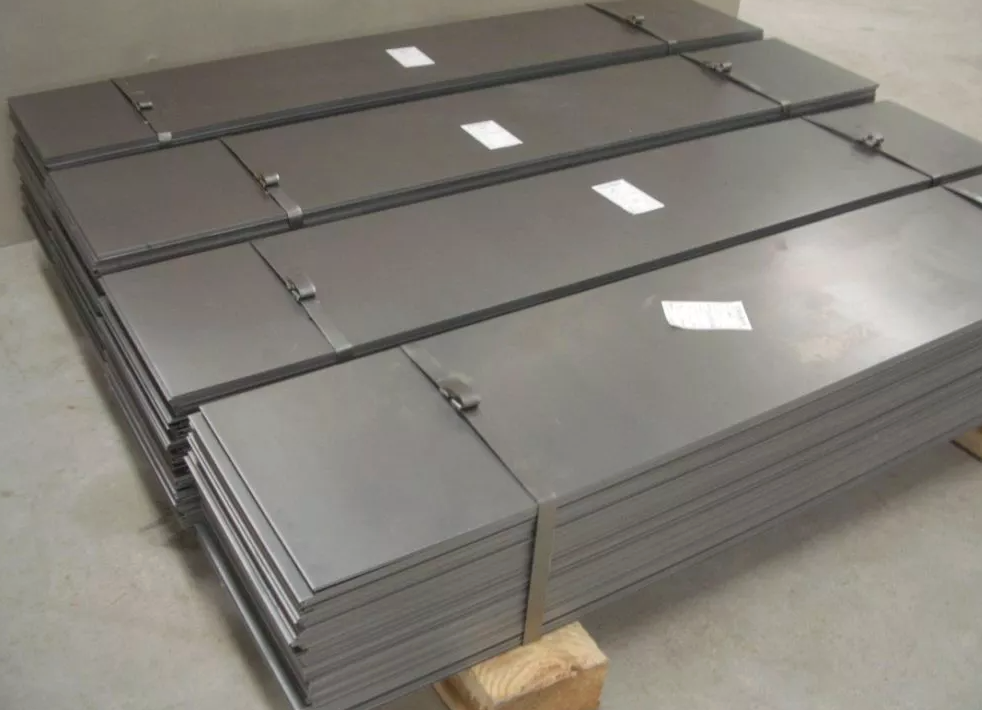
Smart inventory management keeps production running smoothly while minimizing unnecessary costs. Effective practices ensure that steel plates are available when needed, avoid overstocking, and prevent delays in production schedules.
First-In-First-Out (FIFO) rotation – Using older stock first reduces the risk of materials aging or becoming obsolete, ensuring consistent quality and usability.
Automated inventory tracking systems – ERP-integrated tools provide real-time visibility across warehouses, giving managers accurate stock levels, tracking incoming deliveries, and alerting them to potential shortages or excesses.
Demand forecasting – Analyzing historical usage data and upcoming project requirements helps anticipate seasonal peaks or unexpected surges, allowing companies to prepare inventory levels accurately and avoid costly rush orders.
Safety stock optimization – Maintaining minimal yet sufficient buffer stock ensures flexibility against sudden demand spikes without tying up excessive working capital.
Efficient transportation and distribution reduce costs, improve delivery reliability, and maintain smooth production flows. Optimizing these processes prevents delays and ensures steel materials reach project sites on time.
Route optimization tools – Plan the shortest and fastest transport paths, considering distance, traffic, and delivery schedules to minimize transit time and fuel costs.
Shipment consolidation – Group orders or combine shipments across multiple projects to maximize truckloads, reduce trips, and lower transportation costs.
Carrier selection and management – Partner with reliable carriers, monitor their performance regularly, and negotiate favorable contracts to ensure timely deliveries and safe handling of steel plates.
Dynamic scheduling – Adjust delivery schedules in coordination with production changes to avoid overstock or idle inventory at project sites.
Technology provides end-to-end visibility, reduces errors, and supports data-driven decisions across the supply chain. It allows procurement teams to anticipate issues, streamline operations, and improve cost efficiency.
Data analytics – Forecast demand trends, track historical usage patterns, and predict price fluctuations to make informed procurement and production decisions.
E-procurement platforms – Automate ordering, compare supplier options, manage contracts, and track delivery schedules in real time to reduce administrative workload and errors.
Cloud-based inventory tracking – Monitor stock levels across multiple locations, send automated alerts for low or excess inventory, and provide managers with actionable insights.
Integrated supply chain dashboards – Combine data from suppliers, warehouses, and transportation partners into one platform to improve transparency, responsiveness, and operational efficiency.
| Category | Strategy/Tool | Purpose/Benefit |
|---|---|---|
| Inventory Management Techniques | FIFO rotation | Use older stock first to prevent aging and maintain quality |
| Automated inventory tracking | Real-time visibility of stock levels and alerts for shortages/excesses | |
| Demand forecasting | Anticipate peaks and surges to optimize inventory levels | |
| Safety stock optimization | Maintain minimal buffer to handle demand spikes without tying up capital | |
| Transportation & Distribution | Route optimization tools | Minimize transit time, distance, and fuel costs |
| Shipment consolidation | Maximize truckloads and reduce trips/costs | |
| Carrier selection & management | Ensure reliable delivery and safe handling of steel plates | |
| Dynamic scheduling | Align delivery with production changes to avoid overstock/idle inventory | |
| Leveraging Technology | Data analytics | Forecast trends and predict price fluctuations for better procurement |
| E-procurement platforms | Streamline ordering, supplier comparison, and contract management | |
| Cloud-based inventory tracking | Monitor multi-location stock and get automated alerts | |
| Integrated supply chain dashboards | Combine data for transparency, responsiveness, and operational efficiency |
Combining bulk purchasing with strategic supplier negotiation is one of the most effective ways to reduce costs. By consolidating orders across multiple projects, companies can secure lower prices per ton and take advantage of volume discounts. Negotiating favorable contract terms, including flexible payment options and delivery schedules, ensures both cost efficiency and reliable supply. Companies that plan purchases carefully often achieve better budget control while maintaining smooth project timelines.
Minimizing waste through efficient inventory management directly impacts cost savings. Using First-In-First-Out (FIFO) methods ensures older steel stock is used first, preventing materials from aging or becoming obsolete. Regularly reviewing inventory turnover rates and adjusting stock levels based on demand trends helps reduce excess inventory and storage costs. This approach not only saves money but also keeps production responsive to real-time needs.
Automating procurement processes can significantly reduce human errors and administrative overhead. E-procurement platforms, ERP integrations, and automated order processing streamline tasks such as supplier selection, purchase approvals, and invoicing. Automation ensures accuracy, speeds up workflows, and frees staff to focus on strategic decision-making rather than repetitive manual tasks.
Market fluctuations in steel prices can create financial uncertainty. Companies can use contract hedging or long-term pricing agreements to protect budgets and secure predictable costs. Locking in prices over a defined period allows procurement teams to plan effectively and reduces exposure to sudden market spikes. These strategies are particularly valuable for high-volume steel procurement, where small price differences can lead to significant budget impacts.
High-volume steel plate procurement refers to purchasing large quantities of steel plates to meet production or project demands, often for industries like construction, shipbuilding, and heavy machinery.
JIT procurement reduces storage costs, prevents excess inventory, and ensures materials arrive exactly when needed to maintain production flow.
Technology, such as data analytics, e-procurement platforms, and cloud-based inventory tracking, enhances visibility, supports data-driven decisions, and helps optimize material flow across the supply chain.
Using FIFO rotation, optimizing safety stock levels, and forecasting demand accurately help minimize excess stock and reduce material waste.
Optimizing the procurement and supply chain of steel plate is no longer just an operational necessity—it is a strategic advantage. By combining smart inventory practices, technology-driven tracking, and strong supplier relationships, companies can minimize costs, reduce risks, and ensure reliable material flow. For high-quality steel plate solutions and professional procurement support, Guangzhou Long Sheng Hing Trading Co., Ltd. offers expertise, reliable supply, and tailored services to meet the needs of modern industry.


